Where Horror Gets Studied, Skewered, and Celebrated.
Newest articles and reviews
(The Horrified Linguist) "FRANKENSTEIN (1931) and BRIDE OF FRANKENSTEIN (1935): The Power of "THE"
By. "Wise Up" Katie Weiss
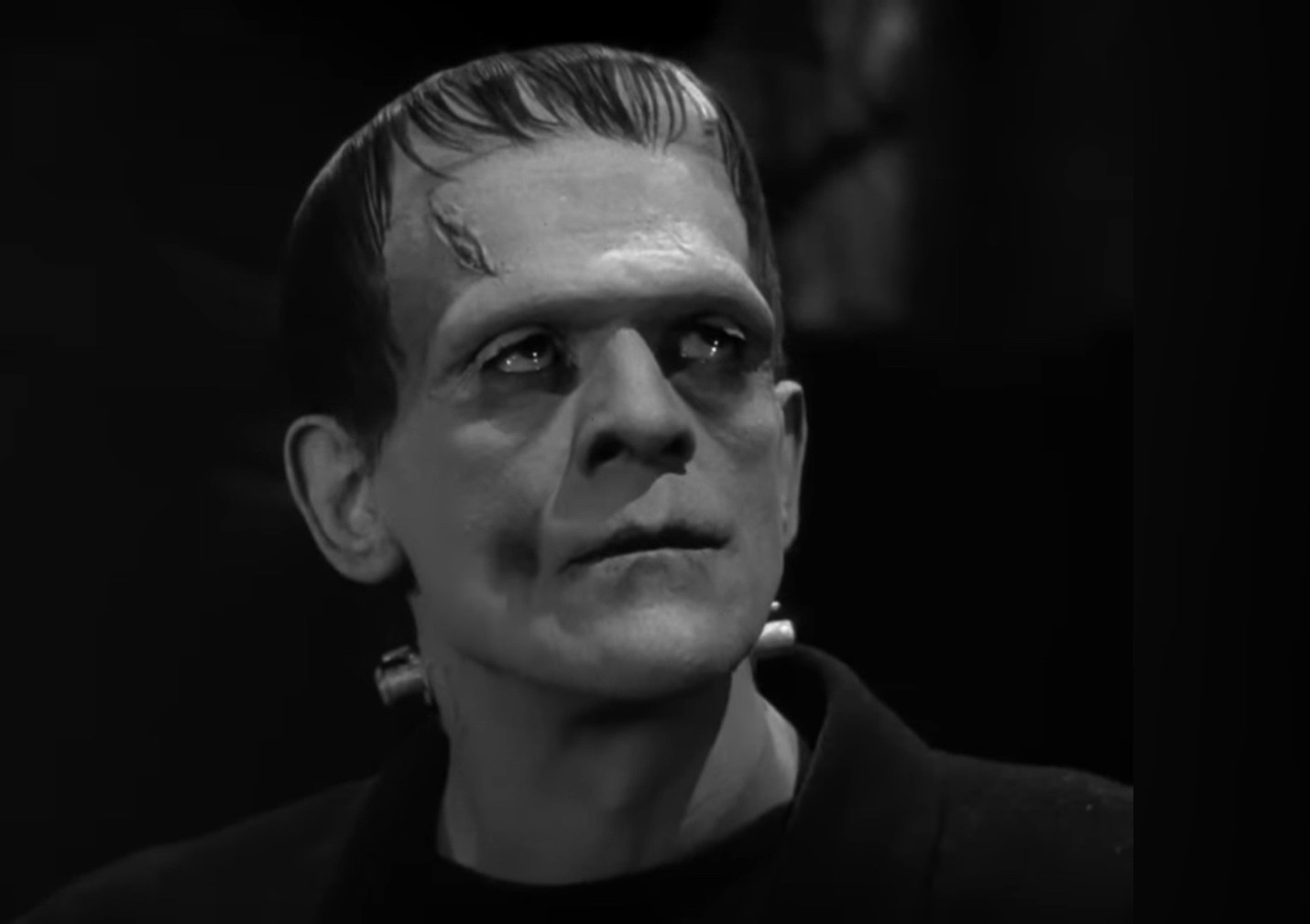
We all know Frankenstein’s monster. Jet-black hair, stitches, broad shoulders, grim expression. To the 1931 viewer, he was certainly a terrifying sight to see. In fact, his makeup was so horrifying, many of the tour guides at Universal Studios still tell movie fans that Boris Karloff couldn’t simply walk around in his makeup because so many of the other actors and staff at the studios were absolutely horrified at the sight of him! Frankenstein's monster grunts his way through his first film (1931) as he wreaks havoc on an unnamed town near the castle where he was created.
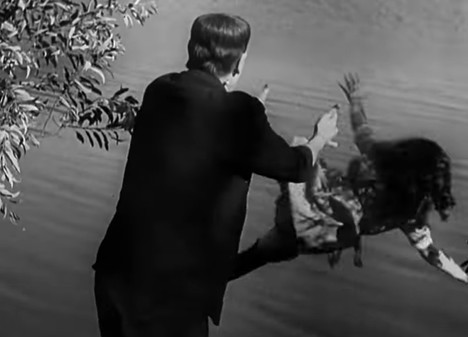
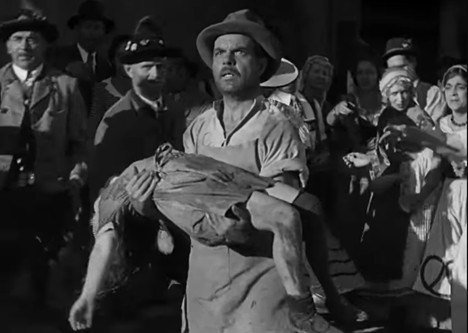
A quick re-watch of the film will quickly let the viewer know that Henry Frankenstein (Colin Clive) never really meant to create a monster, necessarily. In fact, Henry thought the brain Fritz (Dwight Frye) stole for the creation was “a perfectly good brain” until about halfway through the film when Henry’s former professor Dr. Waldman (Edward Van Sloan) tells him, “the brain that was stolen from my laboratory was a criminal brain.” Nevertheless, Frankenstein’s monster, though sporting the brain of a criminal, seems to lack the ability to intentionally commit any evil deeds. Regardless of whether he had evil intentions, he does demonstrate violence throughout the film. For instance, he causes the drowning of Little Maria (Marilyn Harris), and in an absolutely devastating portrayal of anger, confusion, and grief, Maria’s father (Michael Mark) walks through the town with his daughter’s corpse in his arms as he wears an indescribably pained expression upon his face. However, it is unclear that the creation wanted to kill, and even less evident that he had evil intentions in doing so. Did he even know what he was doing as he tossed a young kid into a pond? The flowers Maria had taught the monster to toss into the pond were floating. So, why couldn’t she float?
As the townspeople learned of Little Maria’s horrible death and its cause, they felt the need to rise up and obtain justice for this heinous act. And what empowers them to do so? In Frankenstein (1931), we see mobs of townspeople chasing the monster through the village and the mountains until the epic fiery penultimate scene at the windmill, their anger no doubt a result of the horrendous drowning inflicted upon Little Maria. However, what is it, exactly, that keeps these emotions going through the events of Bride of Frankenstein (1935) as the townspeople continue their hunt of Frankenstein’s monster? It sounds crazy, but it might just be the word, “the.”
“The” is a definite article and is included in definite expressions when we want to discuss a specific, unique, or familiar entity. In Bride of Frankenstein, many of the townspeople refer to Frankenstein’s monster simply as “the monster.” So, when they refer to him as “the monster,” they indicate to one another that there is a specific creation they all know about, and there is only one creature they could realistically refer to. And, of course, that creature is Frankenstein’s monster.
We don’t see Frankenstein’s monster referred to as “the monster” very much if at all in Frankenstein, though the leader of the vengeful mob does refer to him as “the fiend” when giving instructions to the townspeople as they get ready to capture him. However, by the time the events of Bride of Frankenstein roll around, it is very clear that everyone has become familiar with the one and only monster who had been terrorizing the town ever since his victim’s corpse was carried through the town by her own father in Frankenstein.
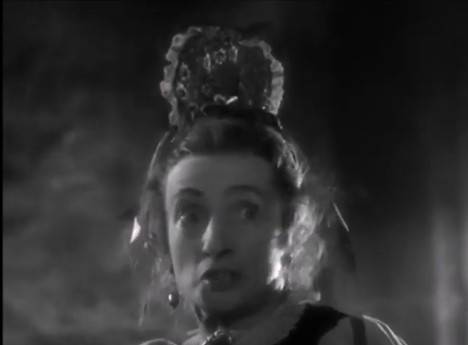
One of the most iconic utterances of “the monster” comes from Minnie (Una O’Connor). In her signature shriek of fear, she shouts, “it’s alive! The monster, it’s alive!” before the Burgomaster (E.E. Clive) tells her to “shut up.” However, Minnie feels no need to clarify for the Burgomaster who the monster is, because everyone in that town surely knows exactly who that phrase refers to, and they know of the horrors he committed during the events of the first film. In fact, just about everyone in the town knows who “the monster” is and are therefore given a since of identity and unity as they suffer from the results of his actions, all the while referring to him with phrases that are very readily understood by the members of this community.
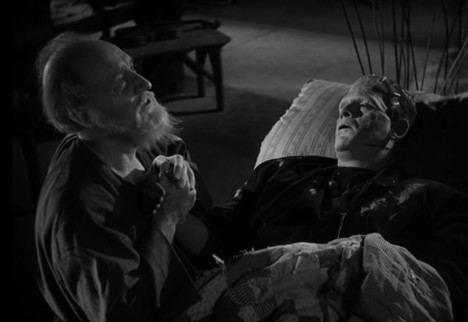
Of course, not everyone within a close distance of the film’s events is familiar with who the referent of “the monster” might be. The clearest example we see of unfamiliarity is the blind man (O.P. Heggie) who befriends Frankenstein’s monster. When some townspeople find the monster at this man’s home, he is truly confused by the fact that his new friend is referred to as any kind of monster, let alone the monster. While this man does not have the visual cues to see how the monster’s physical attributes significantly differ from the looks of humans who haven’t died before, his lack of knowledge of the fact that there is a monster in the town is not a result of his blindness. He is unaware of the monster because he is simply not included in the town’s community and therefore has had no opportunity to be familiar with the town’s notion that there is a specific and unique monster who has been terrorizing everyone. His loneliness becomes abundantly clear when he says, “it’s been a long time since any human being came into this hut,” further emphasizing his complete isolation from any form of community. If he had been part of the community, he probably would have joined alongside Minnie, the Burgomaster, and the rest of the townspeople in knowing exactly who “the monster” is without any further explanation.
Henry Frankenstein never intended to create a monster, but he certainly did. In fact, instead of creating A monster, he created THE monster as the townspeople stood in a united front against the unique and specific individual who had been terrifying the town.
About Professor Horror
At Professor Horror, we don't just watch horror: we live it, study it, and celebrate it. Run by writers, critics, and scholars who've made horror both a passion and a career, our mission is to explore the genre in all its bloody brillance. From big-budget slashers to underground gems, foreign nightmares to literary terrors, we dig into what makes horror tick (and why it sticks with us). We believe horror is more than just entertainment; it's a mirror, a confession, and a survival story. And we care deeply about the people who make it, love it, and keep it alive.